
Not Wanting Kids is Not a Debate
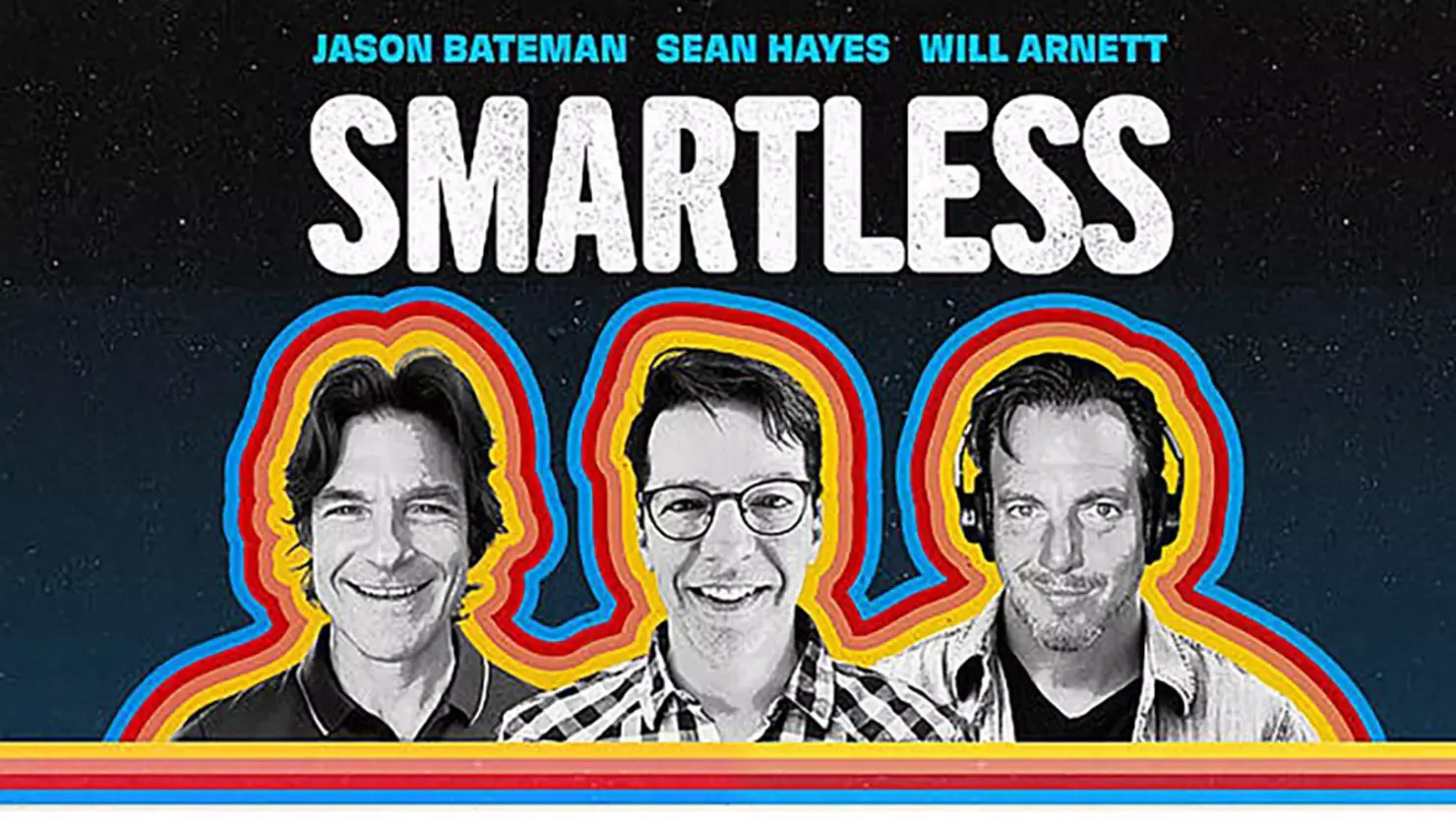
Despite what many people seem to think, saying that I don’t want kids is not an invitation to a debate. You are not going to convince us with the standard make no sense responses like,
You’ll change your mind …
You’d make such a good mother (or father) …
Who is going to look after you when you’re old …
It also isn’t something that we need to explain to you. We would never ask a person why they wanted to have kids - we respect the life choice that they have made.
A recent episode of the Smartless podcast where hosts Jason Bateman and Sean Hayes interview Charli xcx exemplifies both the dumb response and the unwarranted examination when she told them that she didn’t want to have kids:
Charli xcx: “Actually, I don’t really want to have kids.”
Sean immediately asked why.
Charli xcx: “That could change.” (I wonder whether she actually believes this, or if this is just the easiest response to give to avoid the inevitable debate that will follow.)
Sean: “It’s none of my business.” (Kudos to him for recognizing this.)
After he shares that he and his husband don’t have children, Sean says: “I’d rather regret not having kids then have them and regret it later.”
Charli xcx: “I love the fantasy of having a child - like naming it sounds like fun. But that is exactly a sign to me as to why I should not have one - the fact that that feels like the coolest part about it, like maybe I’m not ready.”
Jason chimes in with his story about his wife not wanting kids until she met him: “She said once we started going out she was like, ‘okay, I think I can have a kid with this guy.’ So you might find somebody.”
Charli xcx: “Well, I'm married.”
The whole conversation on the topic of not wanting kids starts at 19:58 of the Charli xcx episode from February 2, 2026.
The most amusing part of these situations is that people who have chosen to not have children have often put a lot of thought into the decision. It isn’t easy to decide to not follow the traditional path - the one we learned as young kids: “... first comes love, then comes marriage, then comes the baby in the baby carriage …”. (Have I dated myself with this childhood rhyme?)
Deciding to not have kids can be one that can change over time - I went back and forth, never feeling strongly about having kids, but being open to the idea until I wasn’t. One CFW2 member, Astrid Kurniawan, wrote an insightful article about the thought process she employed to decide if she wanted to have children in her marriage, The real calculus of motherhood: why I am childfree. She performs a “future partnership stress test,” imagining how parenting would function given the current division of initiative and emotional labour in the relationship. I highly recommend that you read the full article. Here are my favourite passages:
And survival, while employable and tolerable for marriage without children, is certainly not a foundation for parenthood.
The real test is this: what happens when something matters to me, and not to him? Mattering, I should expand, can mean that the task has no value to someone and or that the task becomes valuable only at a certain threshold.
What would happen when certain parenting tasks weren’t his priorities? What would happen if he wanted to outsource childrearing to other people? Would he then pout and force me to become a married single mother to raise the child the way I wanted it to be raised? Would I need to take perpetual vacations with my friends in order for him to actually do his responsibility as a father? Those were questions looming in my head.
To be honest, it wasn’t the sheer volume of childcare that scared me. It was the trust gap. I couldn’t trust that he would step and lead and catalyze in the spaces where his values didn’t already overlap with mine.
The harder question is: What happens when something matters to you and not to him? What is he going to willingly do, even if it has no value to him?
When you’re weighing something as life-altering as motherhood, these patterns matter. The stakes become impossibly high. Society already positions motherhood as a crucible of judgment - every choice, every mistake, every shortcoming magnified and laid at your feet. You, not your partner, will be deemed responsible if the foundation at home is shaky.
Astrid’s explanation of her decision not to have children reflects the considerable thought, self-reflection, and careful evaluation of the future she envisioned with - and without - children. Her decision, and that of every child-free person, is not up for debate. There is nothing that you could say to us that we haven’t considered - and dismissed - when deciding to not have children. To be free of that responsibility.

Alysia Christiaen
Creator of CFW² and a child-free woman
I'm a child-free woman in her 40s in London, Ontario, who realized that there needed to be a space for professional women without children to share their experiences. So I created CFW².
Enjoyed this article? Join our community.
Get monthly updates with stories, resources, and community highlights.
Subscribe to Newsletter